
Paul Laffoley, The Kitsch Barrier and Abnormcore
Corralling the prescient work of artist and architect Paul Laffoley into the present day, puncturing kitsch barrier and diving deep into the world of abnormcore.
This essay was commissioned by All Squad and published on Dec 9th, 2024. The URL has since become defunct, and so I decided to republish my work to a perma-link on my blog. The following is the original essay with additional image/video inserts. Thank you SQD.ZIP for commissioning, editing and publishing this piece.
Jak Ritger for SQD.ZIP (republished on April 12, 2026)
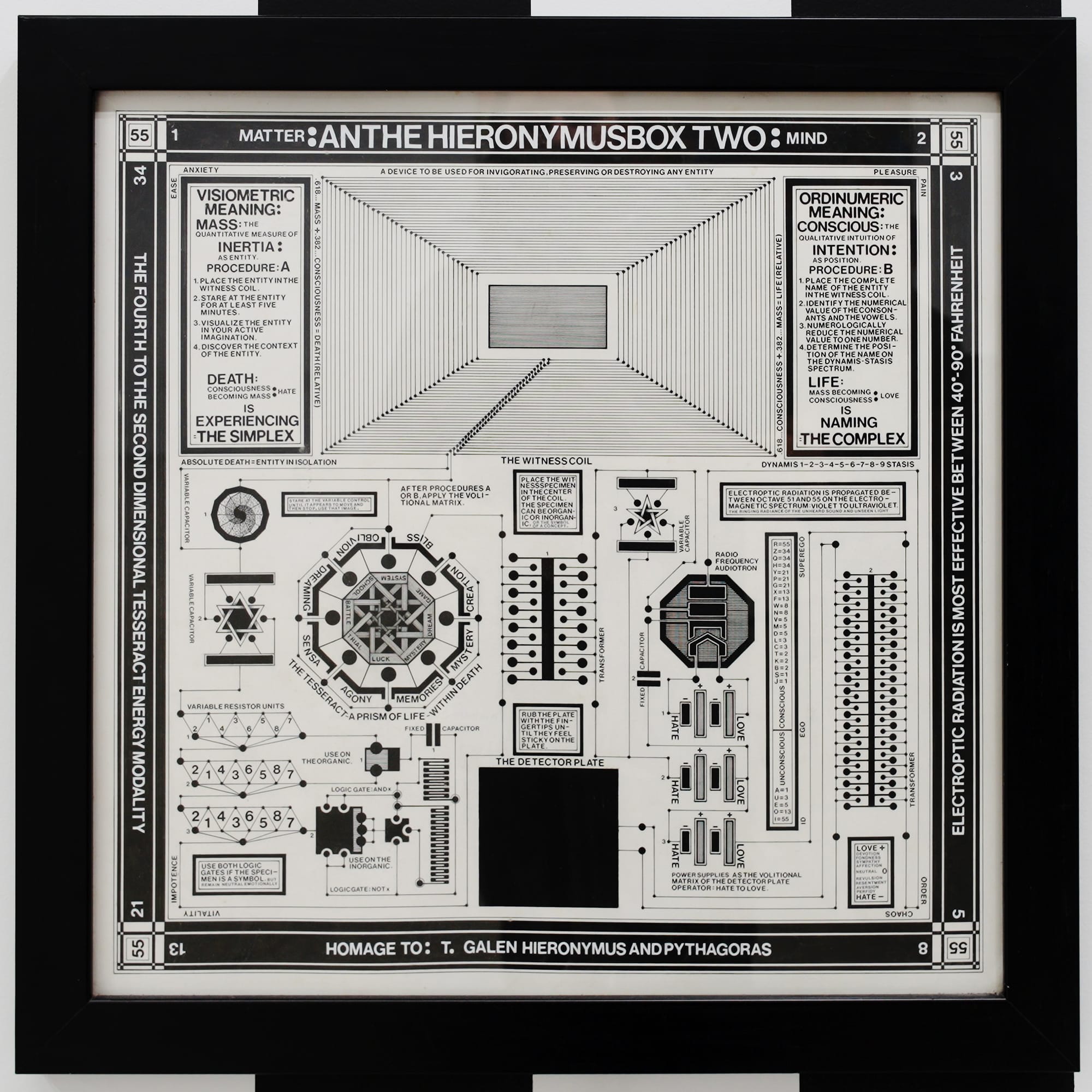
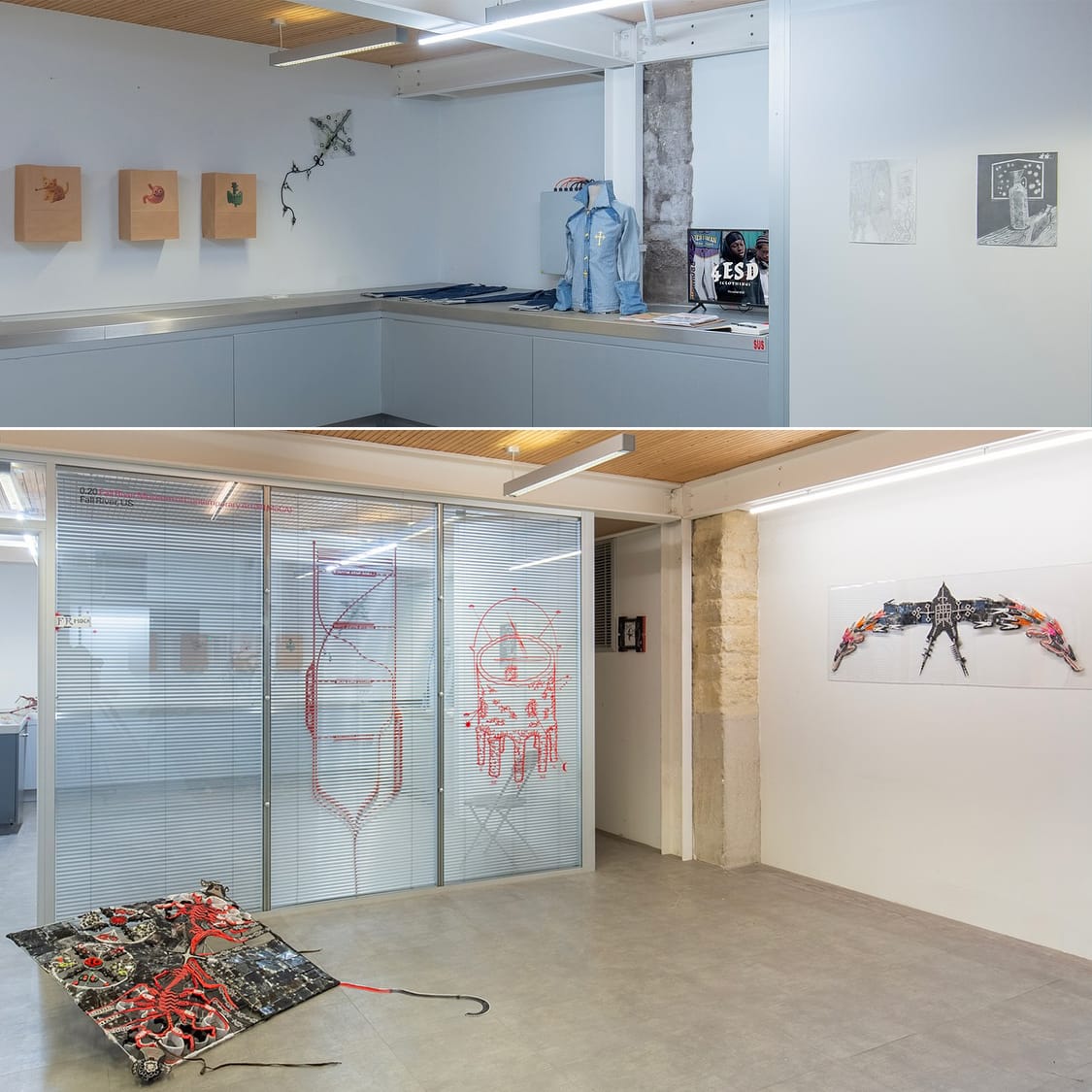
This summer, I was invited by Fall River Museum of Contemporary Art to create an installation responding to the work of Paul Laffoley (1935-2015). The exhibition, titled Another Dimension, presented two rare artworks of hand-drawn ink and press type by the late visionary artist. These intricately dense designs, The Heironymous Box - Flat Tesseract Modality (1982) and Anthe Heironymous Box Two (1991), were my introduction to his work. FR MoCA directors Harry Gould Harvey IV and Brittni Ann Harvey chose to present these works as a way to open up a dialogue about higher dimensional thinking in art. I was intrigued. The corner of the internet where I reside has seen a steady flourishing of everything neo-gothic, nu-spiritality and cyber-angelic. My hope was that by spelunking into the work of one of the originators of modern esoteric art in the 80s and 90s, I could bring back a richer understanding of the current aesthetic moment. The resulting rabbit hole that I dove down completely changed my views on art in the contemporary moment.
Hyper-beauty of Thoughtforms
Paul Laffoley was an interdisciplinary artist and thinker who crossed vast chasms between schools of thought, including architecture, art history, spiritualism, technology, particle physics, politics and extraterrestrials to name a few. He wove these domains into an overarching general theory for a phase of humanity to come after postmodernism. He named the period he foresaw as ‘The Bauharoque,’ and believed it would come into being through the combination of the spiritual heights of the Baroque period with the technological transcendence of the Bauhaus movement. In this period, the cynicism of postmodernism is rejected by the materialization of scientific breakthroughs which would also eliminate scfi-fi as a genre. Today, his provocations feel more prescient than ever. You can read more about his ideas in this excellent profile recently republished by William Alderwick.
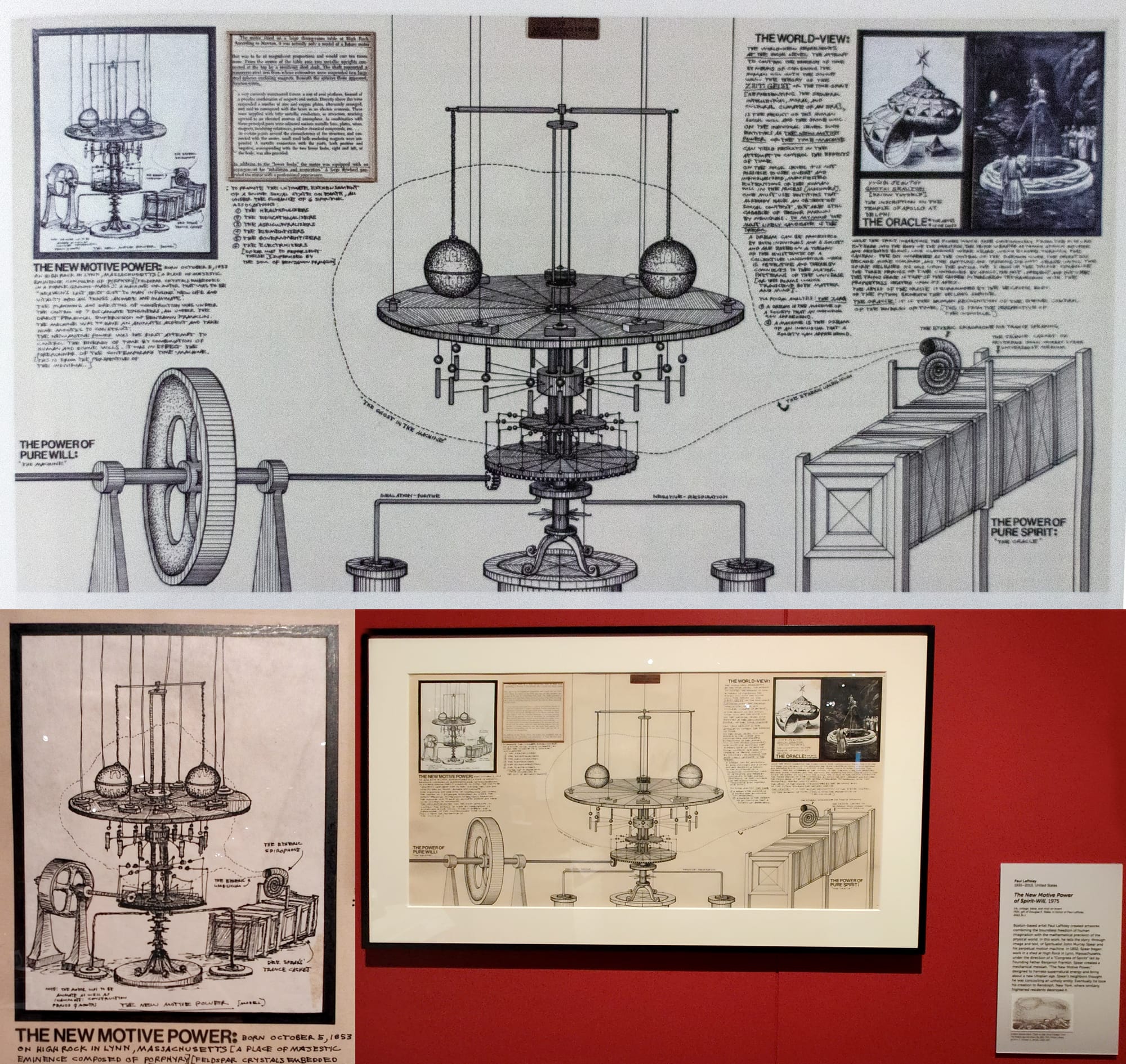
As I dug into Laffoley’s didactic mandalas and digitized journal writing, I found an avalanche of symbology, art history analysis and aesthetic philosophies. Grasping for a familiar framework, I began interpreting Laffoley’s work in relation to the circulation of information online. Massively complicated concepts are compressed down into home-brew jargon ready for re-combination by networks of diagrams. In this way, his hand-drawn, painstakingly researched and distilled models are perhaps the first truly ‘online artwork’ in the sense that they capture the daunting feeling of being plugged into the massively hyperlinked information system we call ‘The Internet’. It’s no wonder that Laffoley’s work may be finally having a moment.
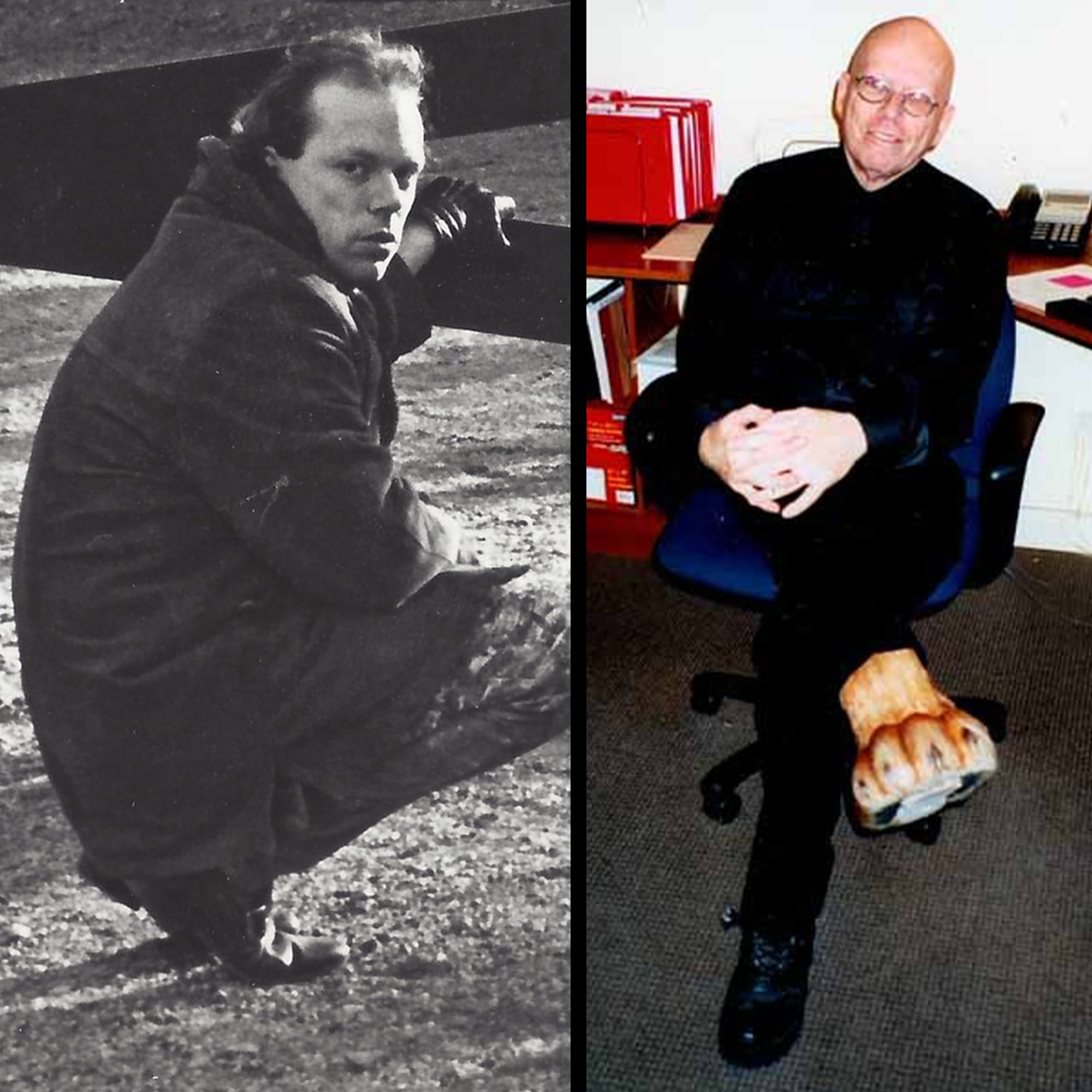
Almost ten years after his passing, visual culture has almost caught up to Paul Laffoley. In 2024, we are ready and fully embrace, accept and imbibe his text-heavy, far-reaching, expansive work. His creations unleashed a boundless imagination, taking what is scientifically provable and extrapolating it to a place of hyper-beauty, a fleeting sublime moment when we can sense an unknowable, outside of words or pictures. Laffoley believed that a blueprint can capture a special energy beyond simply describing the construction of a building. It is this sense of information and images becoming activated by the mind’s eye that makes Laffoley’s work so evocative, beyond simply appreciating the design or draftsmanship.
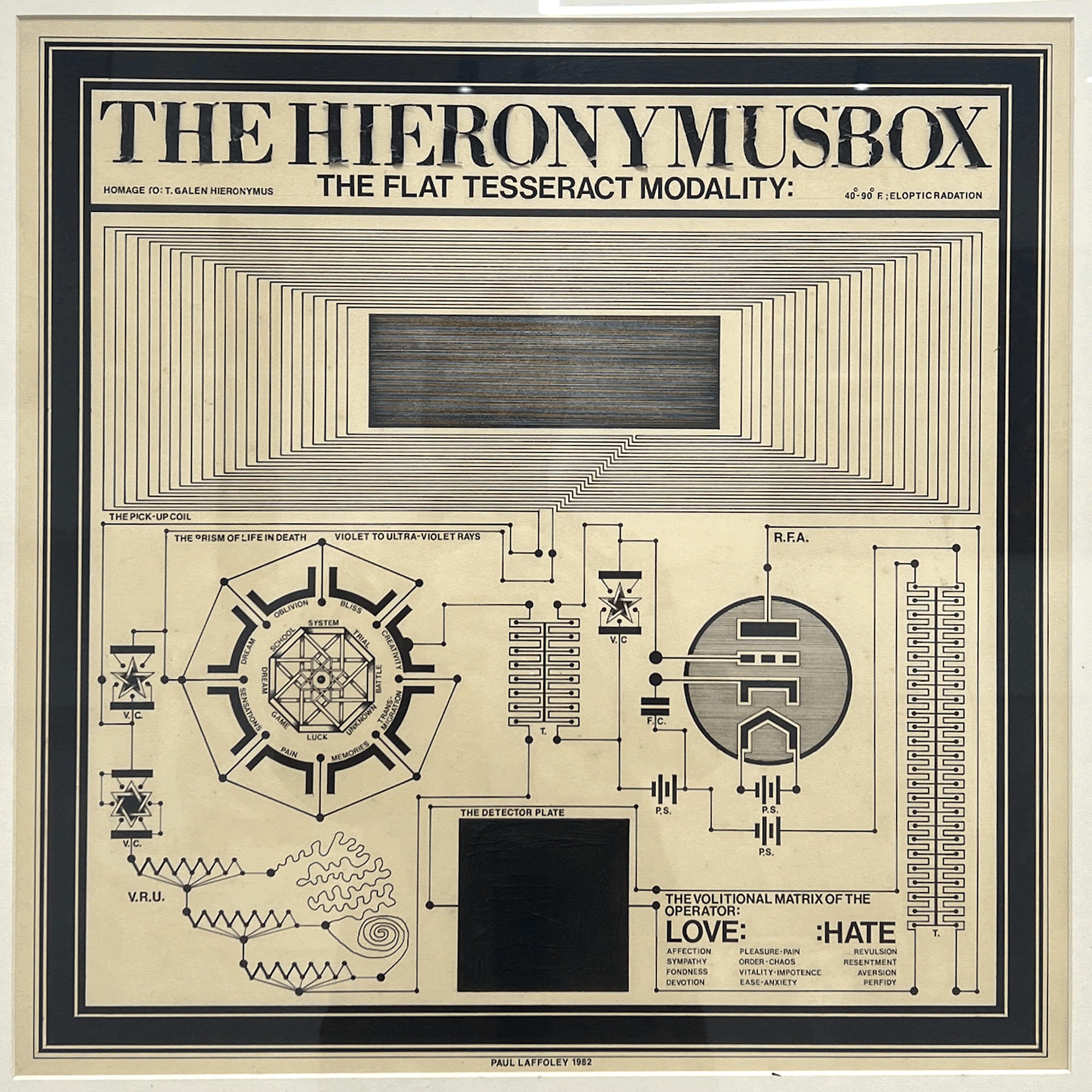
Operating Laffoley’s Flat Tesseract Modality allows you to sense this edge of one’s cognizance. The title of the work references a “Tesseract,” another name for a “hypercube,” an object that exists in the fourth dimension of time and space. Following the instructions in the artwork, the “detector plate” is activated by rubbing two fingers on a black square until moisture has formed. The circuit is now charged and one focuses their stare into the rectangular prism in the top half of the layout. Through continued attention and intent, an “entity” is projected into this space. This could be a fear or memory, a hope or desire, a future or past. Through manipulating the “entity” by tracing the various sliders of metrics: The Matrix of Love and Death, the user can come to new realizations and perform operations on one's own psyche.
Escaping the Kitsch Barrier
For Paul Laffoley, the term “Outsider Art” was a trap that neatly sequestered artwork into a box of associations and caveats. Once an artwork was labelled as "Outsider" it could be incorporated as endearing kitsch with no danger of damage or transformation to the viewer’s visual hierarchies. He was always fighting against this “Kitsch Barrier”, as he described it. In Tesseract, he used the authoritative design language to bring a sense of gravitas to the work. Today, I see a “Kitsch Barrier” being erected around the category of “experimental” in music, art and film. Once something is labeled as experimental it arrives packaged with a set of expectations that defang later moments of surprise. Horror genre films have become comfortable venues for experimental noise music. With the demand to “break the internet” running high, stuntcasting and stunt-fashion has become the baseline not the exception. Balenciaga runway shows fail to astound or surprise an audience that craves macabre spectacle. How can we break through in a moment that demands breakthroughs? These dynamics have created a feeling that there is no outside-ness to culture.
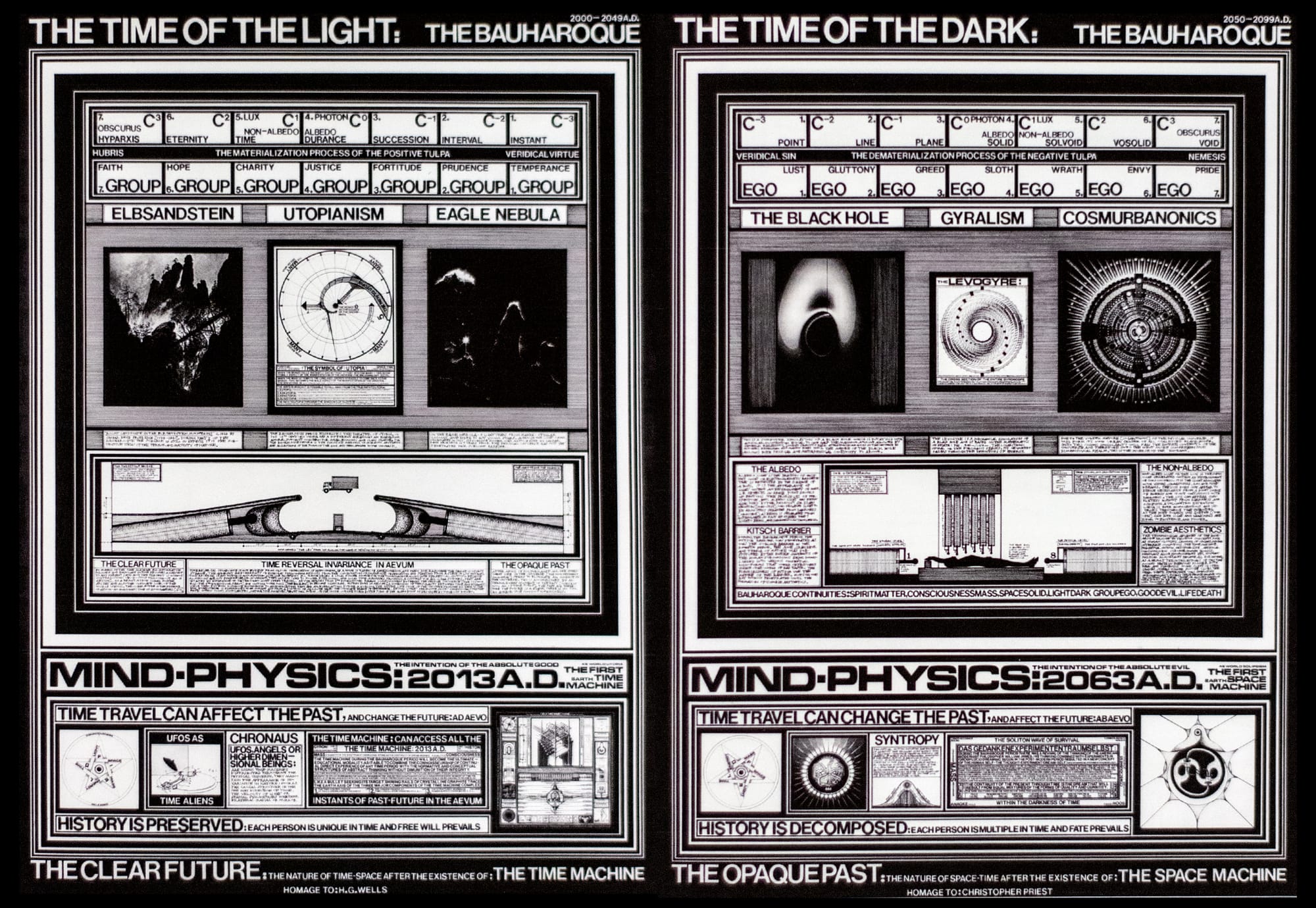
In many ways, Laffoley’s South End studio and one-man think tank titled “The Boston Visionary Cell” was more “insider” than the often aloof artworld in its proximity to the technology production of M.I.T. and Harvard; the R&D dept. of global capitalism. Nevertheless, his work is routinely placed into the “Outsider Art” canon because of its “outsider” approach to image making. His work dealt with massive 1000 year historical timelines while he concerned himself with building blueprints for a time machine and organic self-replicating houses. These singular sweeping visions are the perfect antidote to a mass-culture that seems to have lost the ability to create new aesthetics and has instead resorted to reheating nostalgic revival after reboot after rehash.
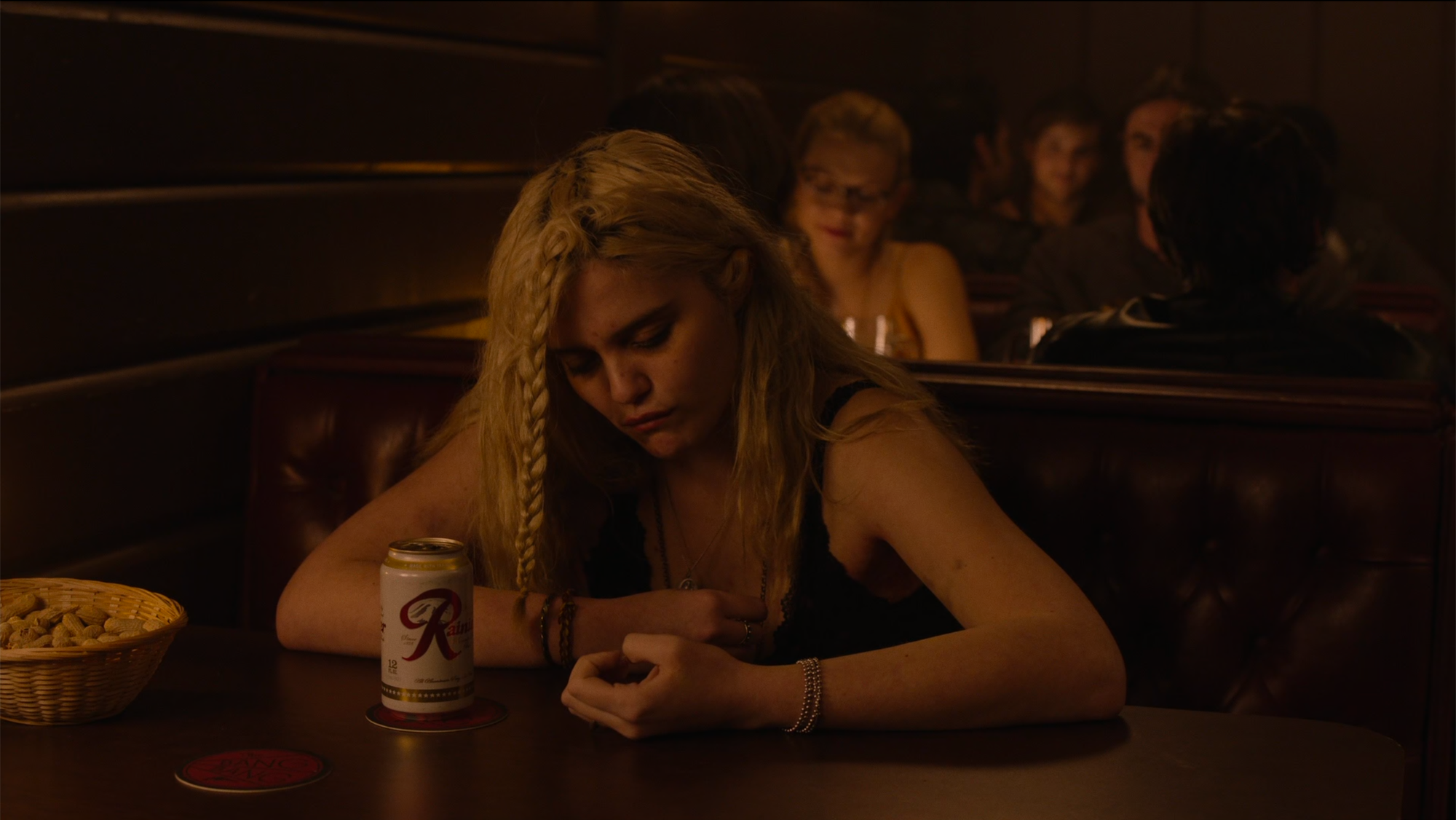
The images we encounter arrive pre-determined, the product of design committees, mood-board factories and AI slop machines. Everything is perfectly tuned to be just catchy enough to hold you, but not too edgy to push you away. The attentional dynamics as refined by corporate image production have created expectations, desires and chemical reactions that we really just don’t have any relationship to anymore. Take the streaming giants and franchise blockbusters as example. Just as quickly that hyped-up entertainment properties like "Joker: Folie à Deux" enter the theater they leave without a trace, leaving no mark on the zeitgeist or memory. Anyone who has had the experience of binge streaming a trashy episodic, with each story beat delivering just enough dopamine to keep you hooked through the next cliffhanger until it wraps up and you forget everything you just watched, knows what I am talking about. Contemporary media is more neurochemical product delivered via pixelated screen than cinema.
As mainstream aesthetic landscape becomes obsessed with the granularity of content production, Laffoley’s scope expanding work should be taken as a telos for artists.
Abnormcore
It is no wonder then, that popular emerging brands are pushing against the grey-goo-ification of everything with anti-attentional aesthetics. Online Ceramics has carved an aesthetic outpost with tie-dye dark-hippy graphic tees. Each one is done by hand and can take up to 30 days to ship, nowhere near the precognition of the Amazon product allocation algorithm. The language of Online Ceramics is unwieldy and arcane, it refuses the slick ad-copy that turns nouns to adverbs by tacking a -y at the end of everything like Grammarly, Drizly and Oatly. The coolness of Online Ceramics is an anti-coolness of something that is slightly off, subtly resisting the streamlined flatness of Big Moodboard. It's post-poser, no-brow, abnormcore.

To paraphrase Carly Busta, “in the postdigital situation: everything is subcultural, but nothing can be counter-cultural.” Instead, now the move is to infiltrate the mainstream, augmenting mass-indie-memetics to transmit a 3% tweak towards something transformative. In the 2010s, normcore (in its initial K-Hole framing) focused on adopting the norms of a specific prosumer lane, i.e. burned-out rockers’ desire for a more comfortable lifestyle producing the Health Goth aesthetic. Today, rather than blending aesthetics, the norms of each subculture are strictly demarcated through TikTok gate-tenders and IG long-couches, while the mainstream has permanently entered “terminal mid” mushing all into everything and saying nothing.
Much ink has been spilled about Indie Sleaze Revivalism, which in my view speaks to frustration with the way that public social media has become a stifling force repressing social expression rather than the tool of reckless, messy connectedness it represented for the Myspace bloghouse heroes of the 2010’s. The nostalgia for this period of digital ephemerality shows how suffocating image culture is today. Within this condition, abnormcore has sprouted as a possibility to move within the confines of "no-weirdness allowed" but retain the strangeness necessary for self-embodiment. Kunai Online’s New York City Yankee cap symbolizes this desire for me; a simple augmentation that is just off enough to signal an underlying shift in perception.
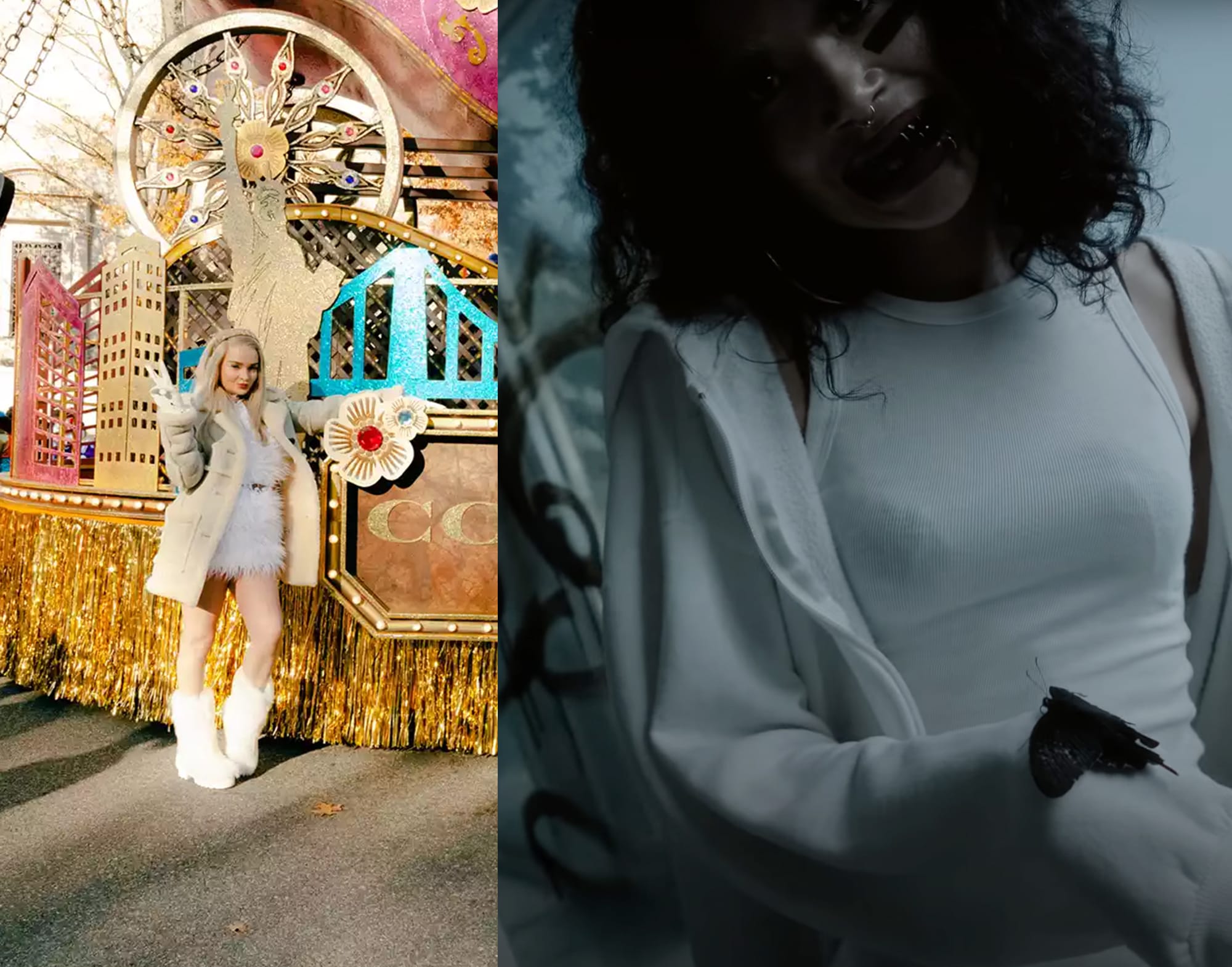
My assessment is that we have truly entered a post-trend environment, or at least many can choose to permanently live within one specific trend, mood, #aesthetic or subculture. This shift from having a specific fashion sense to having a specific style POV, that can then be applied through many rebrands and eras. The result is a ricochet of a multitude of visual styles; everything kind of blends into one constant now. Abnormcore allows for this perpetual augmentation and re-envisioning to persist into the post-trend moment, while also circumnavigating the Kitsch Barrier by attacking aesthetic expectations that are left unguarded. We crave something to surprise or horrify us in some way and break-through the exhaustion that consuming media has become. Freeka Tet’s recent music video for “São Paulo” by The Weeknd & Annita demonstrates this desire with a pregnant Annita having an episode as her bellybutton starts croning a duet in a fountain.
Towards a Bauharoque Fashion
Laffoley was driving towards something ineffable. His life’s work was to expand the scope of what could be captured, pinned down with text, line and color in the hopes of beckoning us out of our cool comfort towards a magnificent arresting vision. In the fashion world, I see this grasping, this struggle to contain what is just beyond the earthly realm in a wave of what I am calling Bauharoque Fashion. In these look there is a certain denial of the determinism of form and function in favor of creating gaps to be filled with impossibilities.
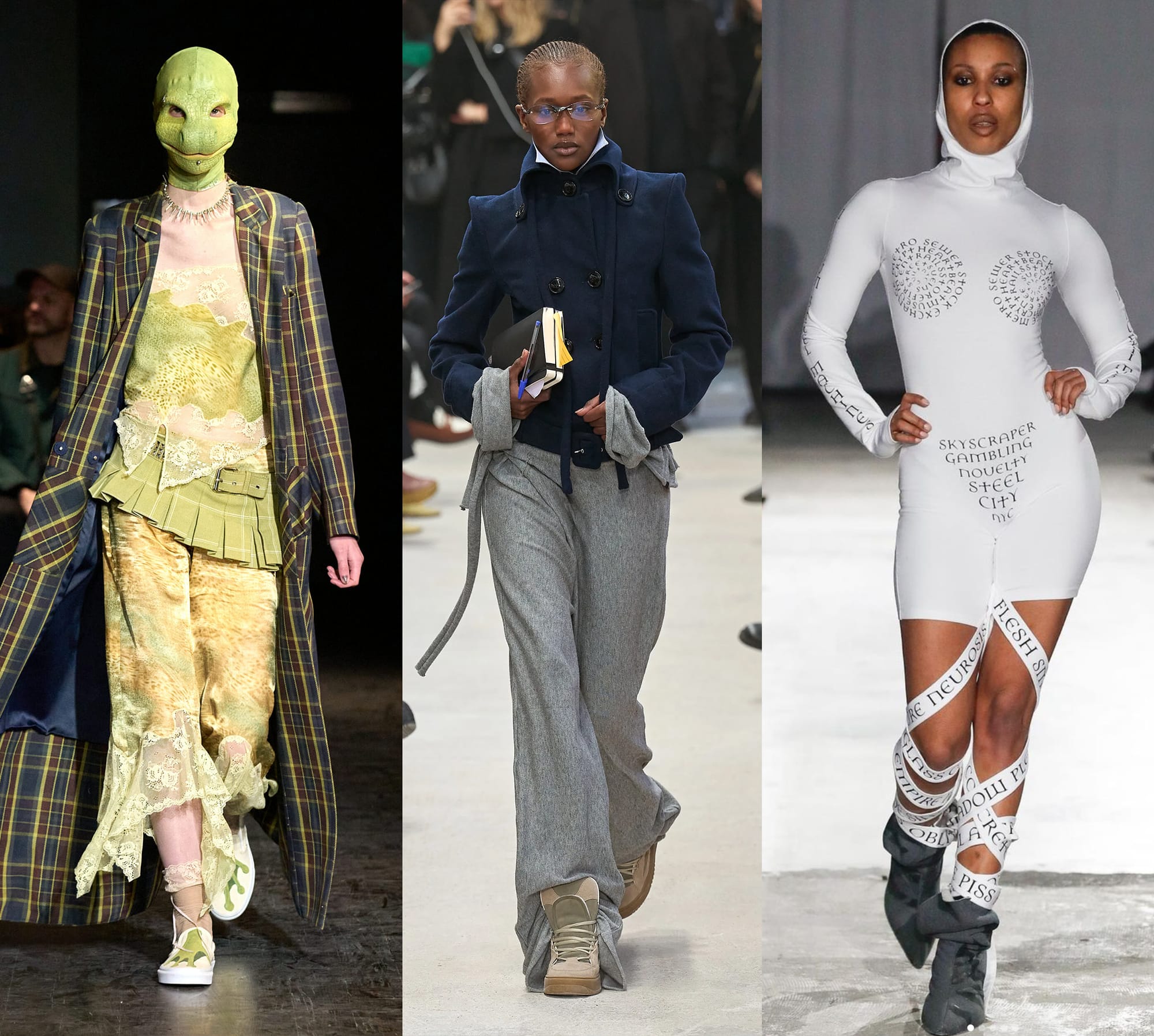
Collina Strada’s human-animal hybrids pounce onto the runway with a certain Baroque sincerity that is expounded by opera singing “It’s Co Lina Stra Da!”. Rather than a retrofuturist fantasy on view, it is a desire for the real thing, the here and now, the tactile and messy. Against these rapturous heights, comes the subdued logics of Ottolinger’s athliesure-office-siren-haute-contour-devirtualization. Nothing is what it seems but it all makes sense. Excess from the garment making process drapes down as remnants exposing its own creation. Bauhaus design instincts are accelerated past contradiction giving us heels disguised as skate shoes that glide under cuts that are at once way too baggy, just right and also, impossibly, some sort of simulation.
Meanwhile Women’s History Museum deliver’s search history manifestos sewn into dress trains and word cloud associations reflecting a tourist’s view of New York City back onto the psychic landscape. These nonchalant yet challenging visions uncover just how constricted our sense of “good fashion” really is. Diving into bad taste can not only be freeing but revelatory especially when considering the hidden structures of capital that derive these tastes. WHM takes the text-image present in Laffoley’s work and reverberates it through the abnormcore strategy of dissolution of tropes in order to circumnavigate the Kitsch Barrier and arrive at a truly contemporary (futuristic) vision.
Exposure to these looks shows us just how stagnated the creative industry has become. In order to bring about Bauharoque Fashion there must be an ability to produce novel aesthetic imaginaries. To foster this newness, I have hope for a smaller, more engaged world of art and fashion to emerge in the shadows of the industry behemoths. During Another Dimension’s exhibition run at FR MoCA, a summer fashion class took up residency at the museum. FR MoCA brought on two young designers, Henry Hawk and Dylan Matsuno to teach a cohort of teenagers from Fall River the traditional skills of handmade garment creation.
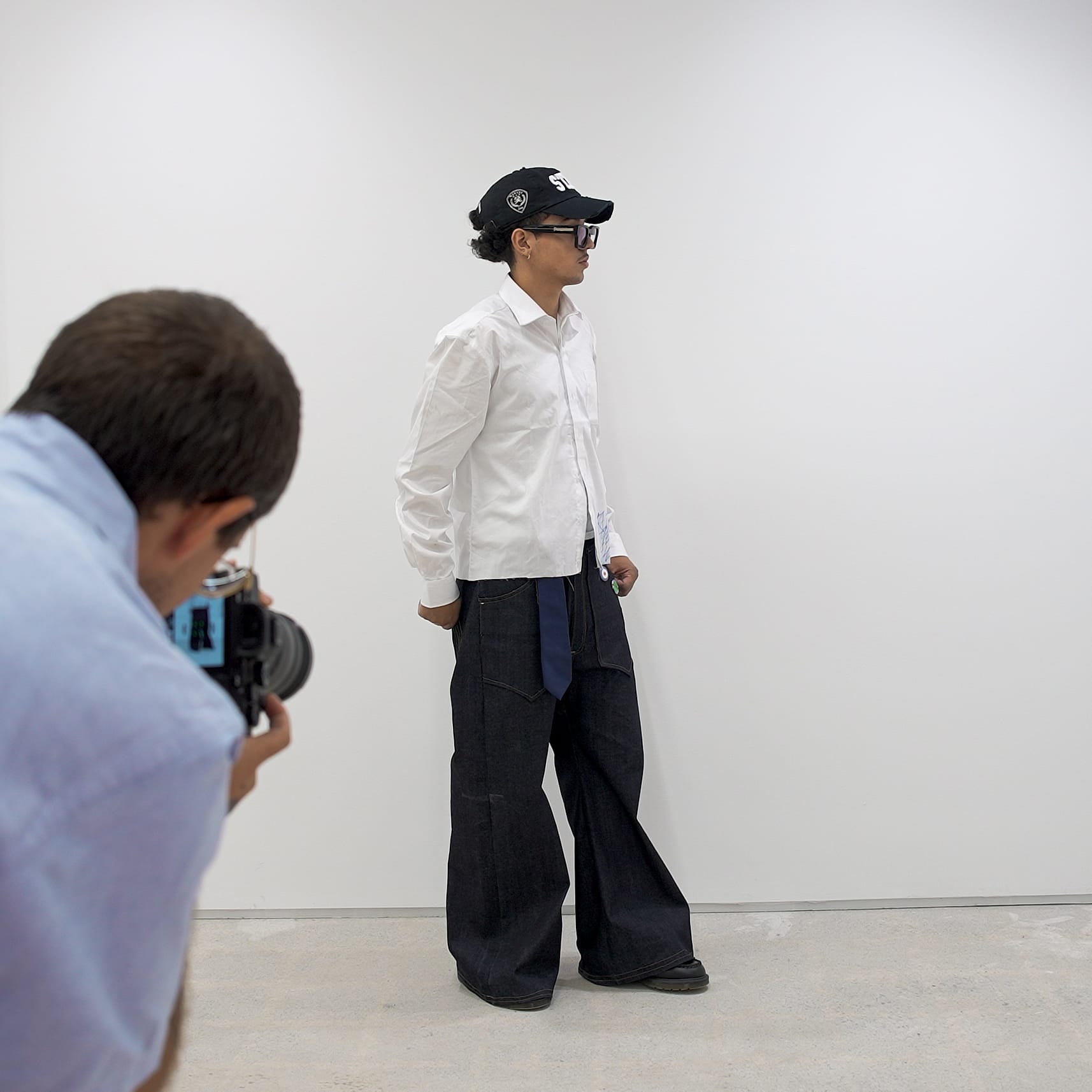
Fall River, Massachusetts sprung up during the Industrial Revolution as a boom city for fabric production and despite deindustrialization is still home to a number of textile factories. The class visited regional standard bearer, New England Shirt Company and global moto-armor brand, Vanson Leathers, both located in the city. Matsuno has a practice of creating garments by hand using only one machine and materials created in the U.S. (even down to the thread) while Hawk reimagines traditional denim patterns as dresses and evening-wear. Through lessons, critiques and workshops the duo guided the students to create their first self-made garments by pulling inspiration from personal experience, relevant pop-culture and underground aesthetics such as anime. One student created jeans with a tapered baggy cuff that produced the silhouette of a superhero about to fire off rocket boots. But, instead of the artless hypebeastery of MSCHF’s Big Red Boot scourge, this execution was subtle and the product of a singular desire to make something just wasn't out there or accessible.
My investigation into Paul Laffoley’s work and my experience at FR MoCA has left me even more convinced that the next new emerging futuristic vision is not going to come from fully-funded titans and their army of culture vultures, but from the overwrought fanatics tirelessly toiling at the periphery or in-between categories, unable to be reduced down to a #aesthetic and nullified from visionary artistic potential.
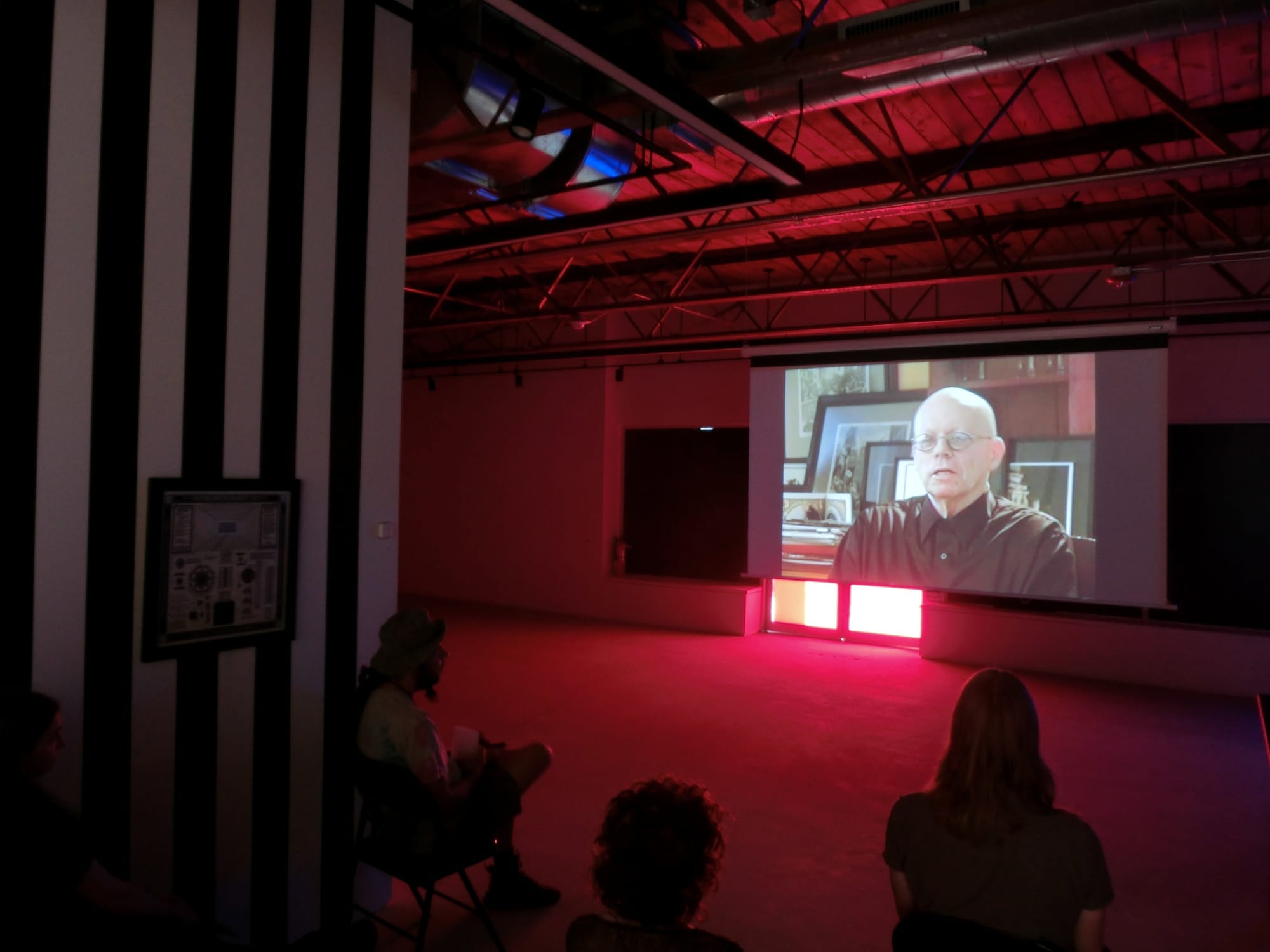
Jak Ritger is an artist and theorist based in Boston, Massachusetts. Read more of his writing and learn about his work at Punctr.art
William Alderwick's firsthand account of Paul Laffoley was instrumental for me, read it here: Enter the Bauhauroque, Aug 14, 2024